Building a design function inside an engineering-first startup
When I joined, there was no design function. Engineers built, shipped and reviewed every screen, and each one looked like a different product. I came in as the first designer with one mandate. Make design part of how the company decides what to build, not a desk that draws screens on request.
Role: Design lead, first designer
- Components in the system
- ~80
- Design to dev handoff
- 2 days → 4 hrs
- Until engineers came to design first
- 1 month
Problem
Design had to help engineers first
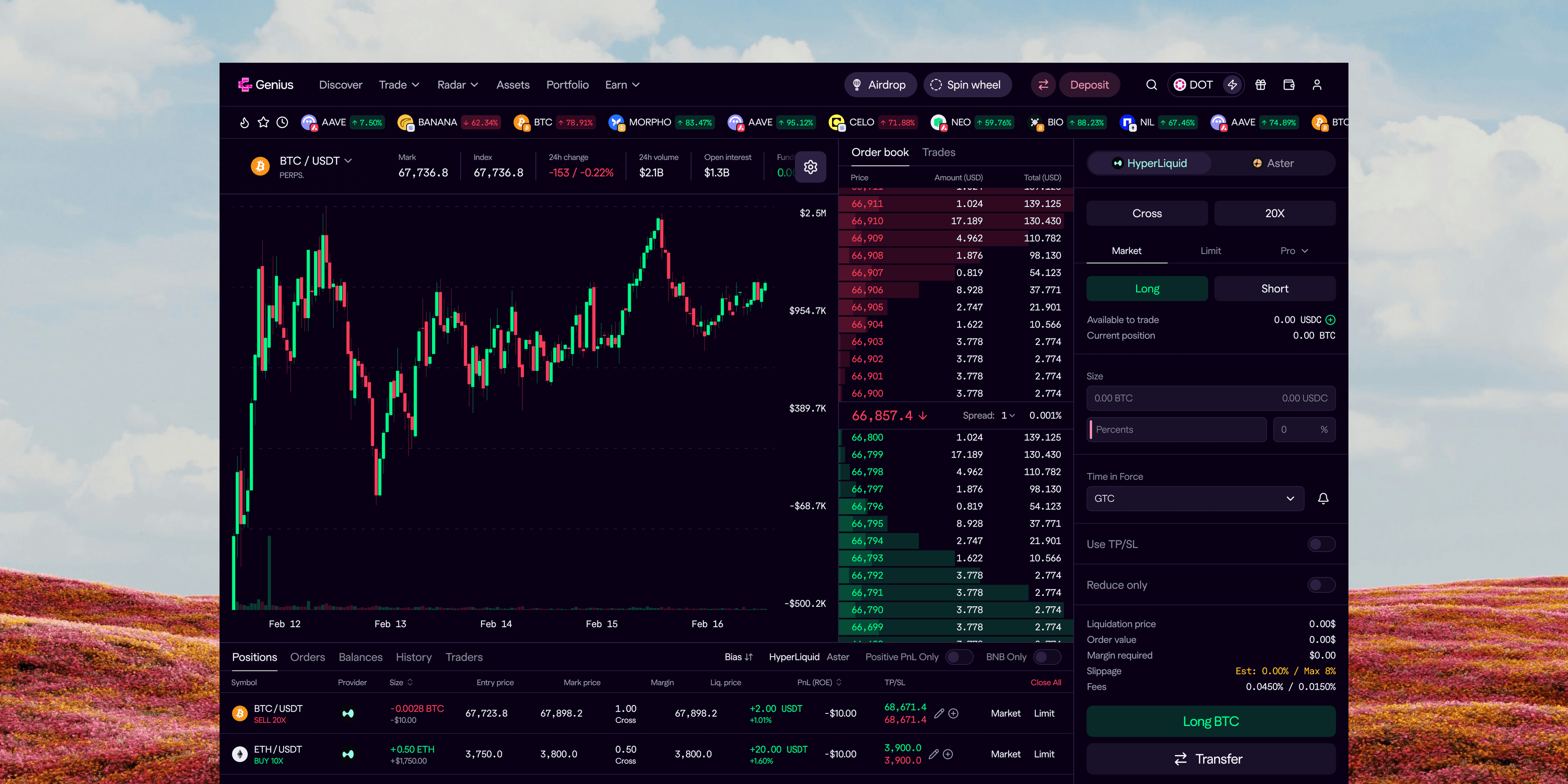
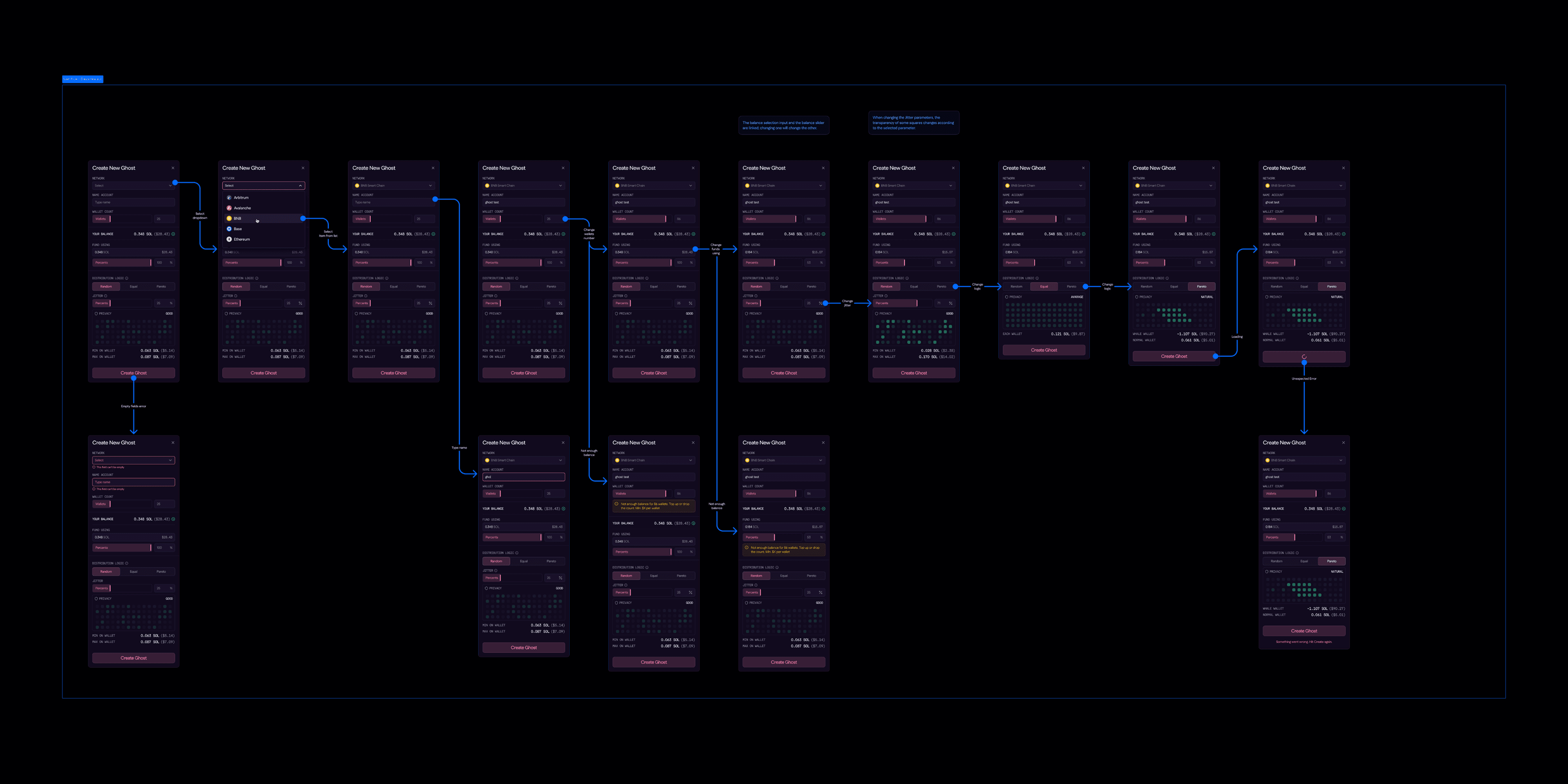
No design files, no components, no handoff. Specs lived in chat threads and engineers made UI calls while coding. My first two weeks were an audit. 9 button styles, 14 grays and 3 unrelated error patterns. That audit became my main argument for everything that followed.
A process document in an engineering culture gets ignored. So I started with what slowed developers down. Every spec came with loading, empty, error and edge states before anyone asked. After about a month, engineers came to me before writing code. Design became part of the flow because it was the easiest path, not because it was announced.
Key decisions
Add process only where it saves time
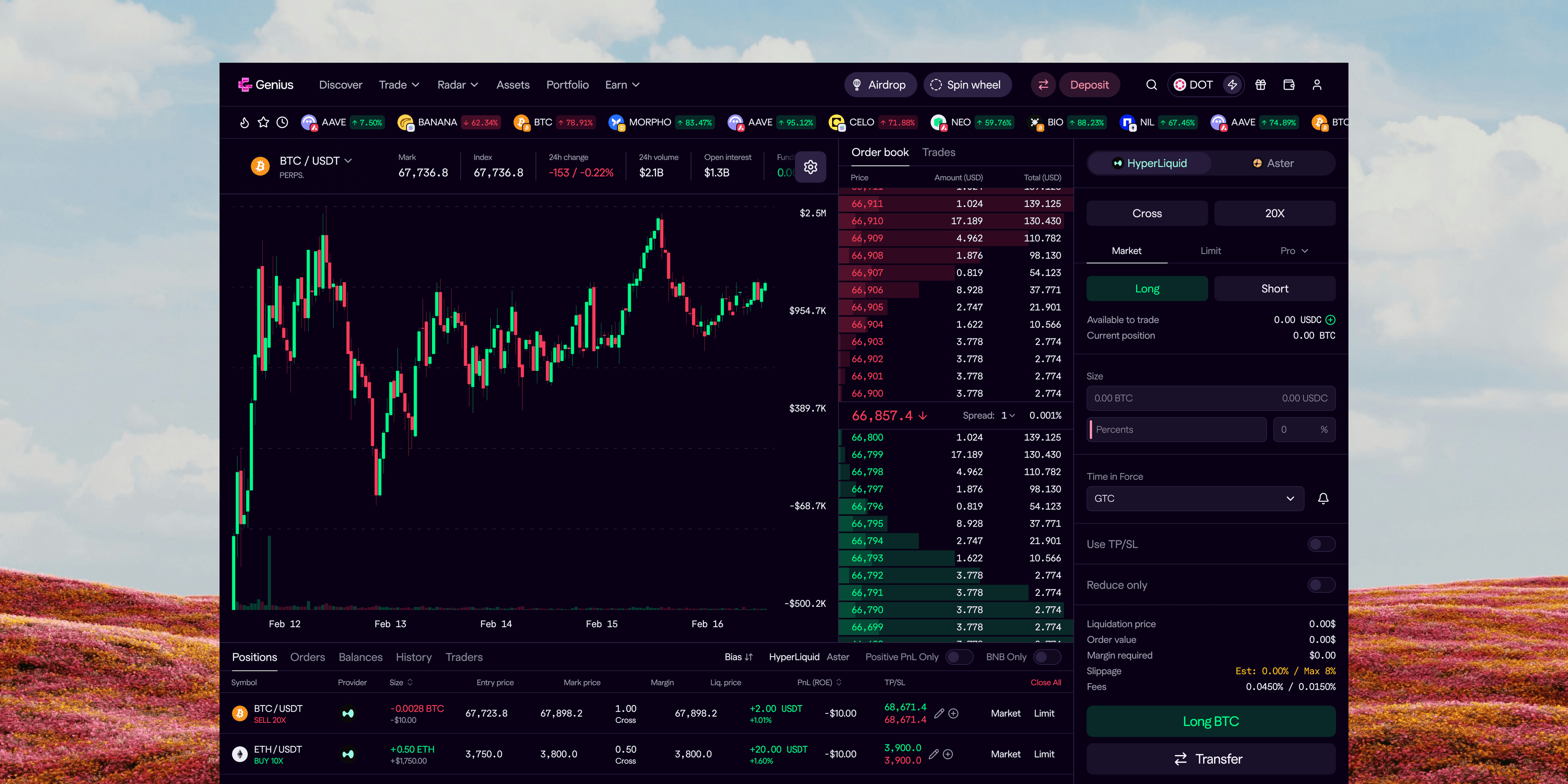
Once engineers were on board, I made it formal. A 30-minute weekly review the founders actually attend. No ticket goes into development without approved designs and states. One handoff format in Figma. A post-release check of what shipped against what was designed.
Build the system while shipping, not before
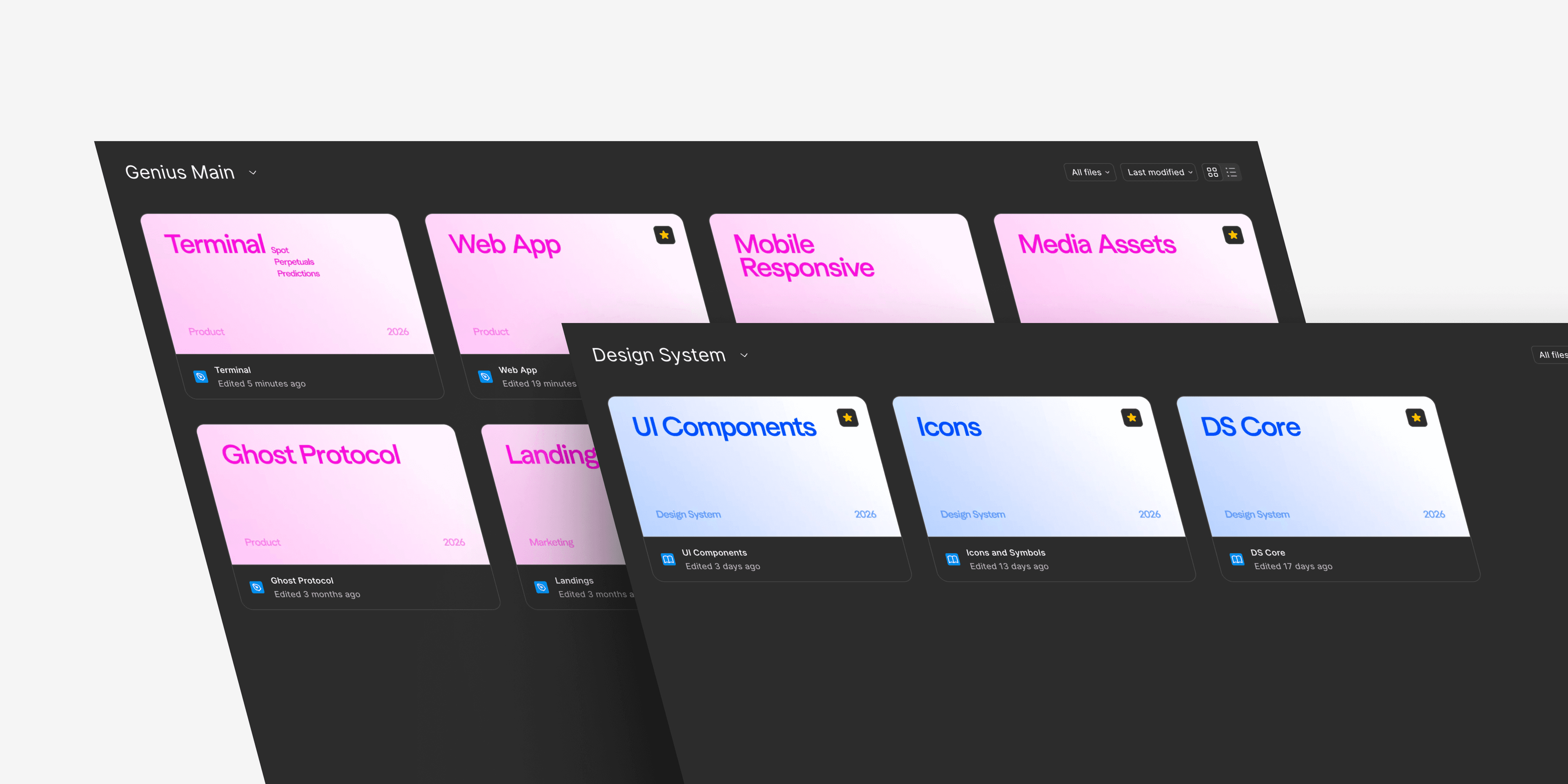
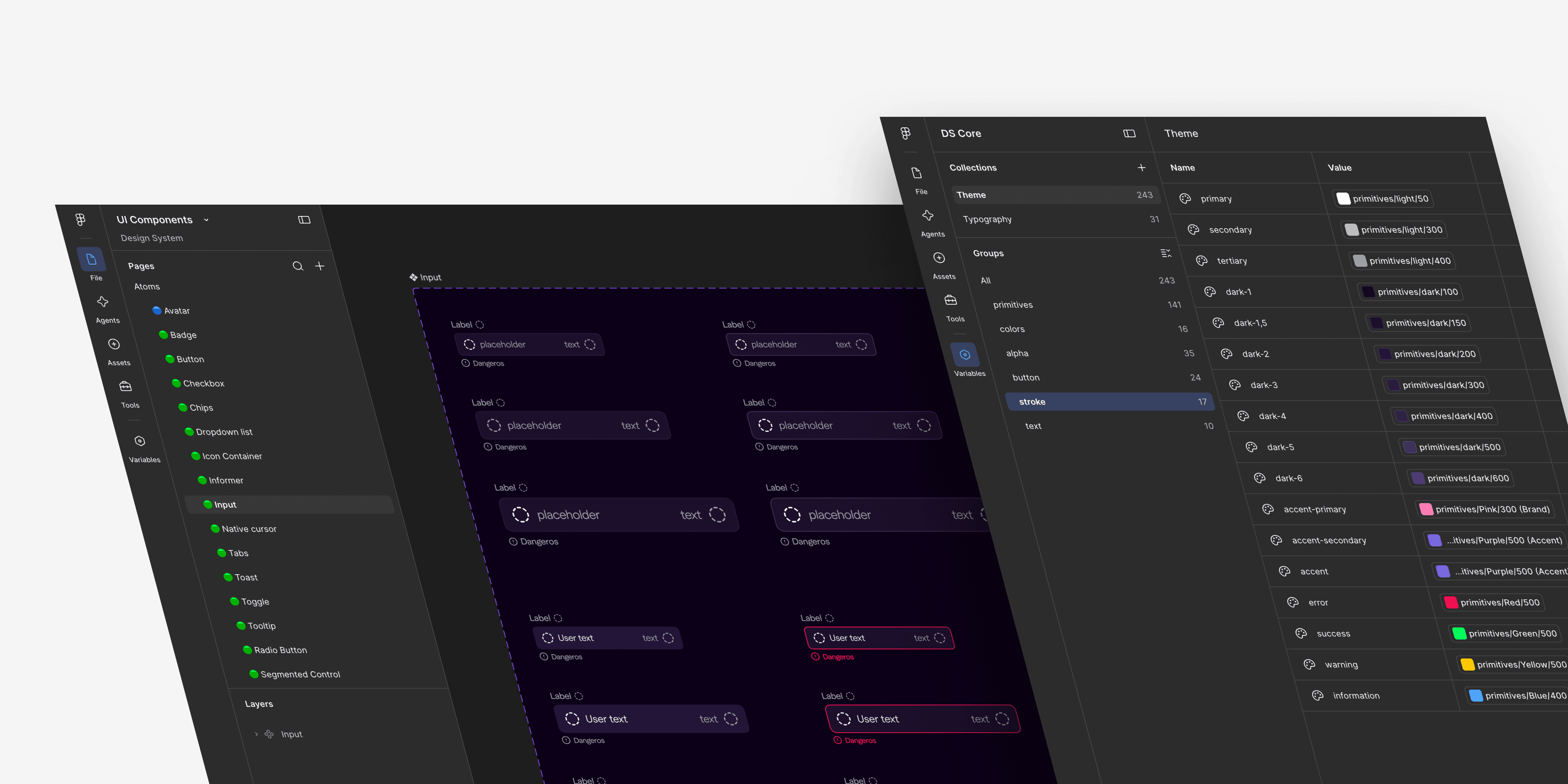
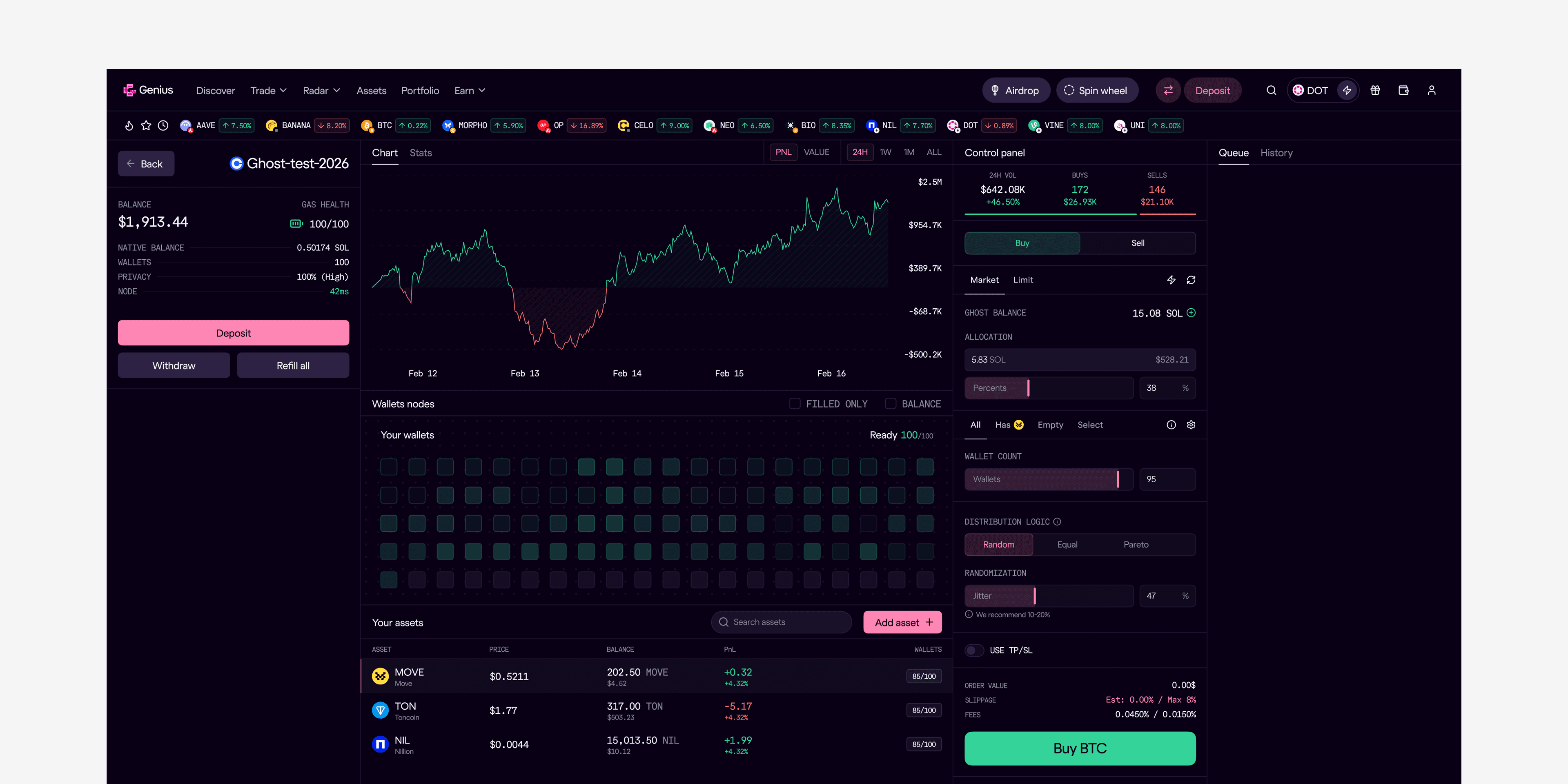
There was no time for a separate system project. Every redesigned screen produced components, and every component went straight into the library. Tokens map to CSS variables, so a change in Figma is a change in code. With around 80 components in place, engineers now assemble simple screens without me.
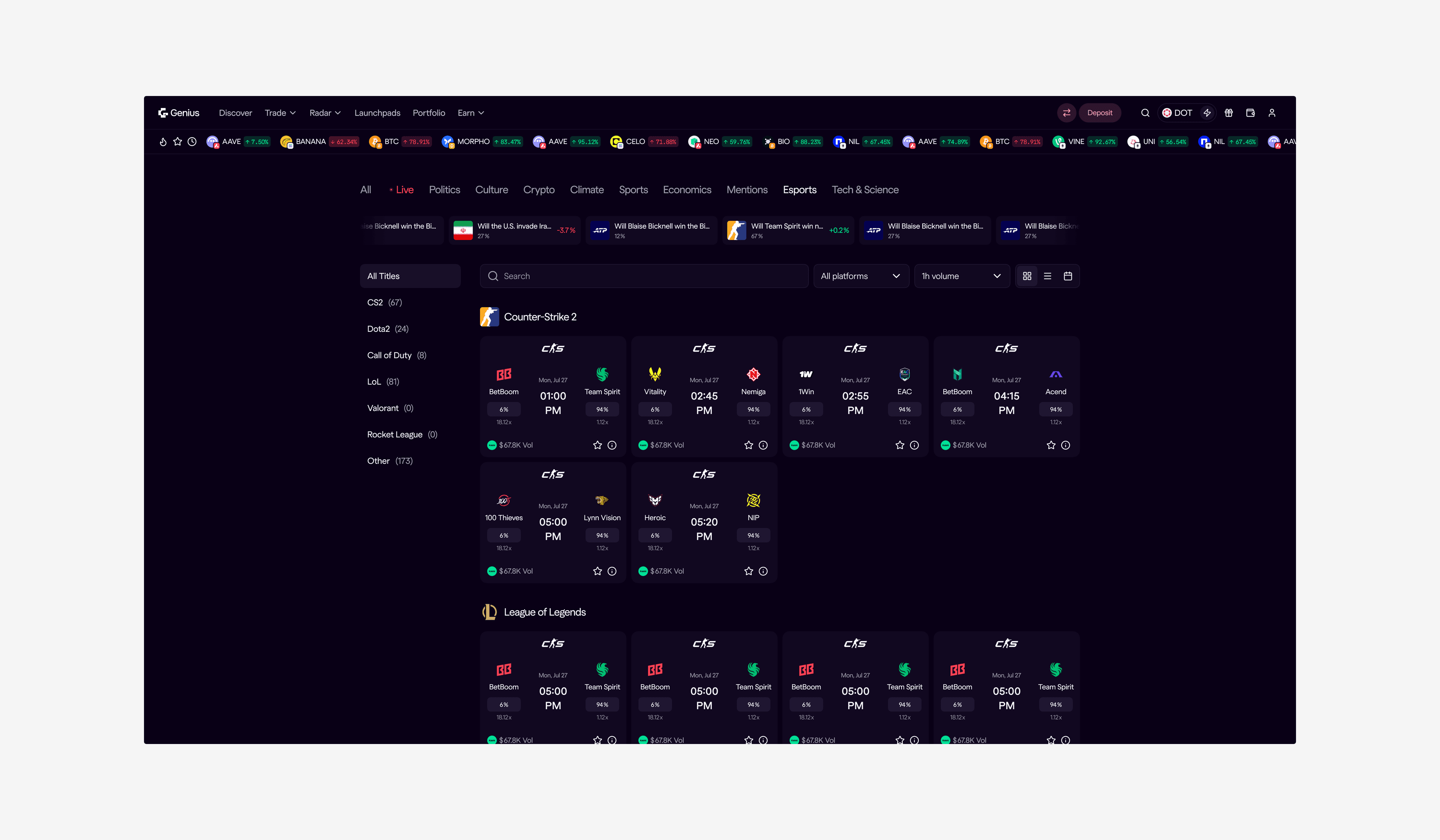
Redesign section by section, never stop shipping
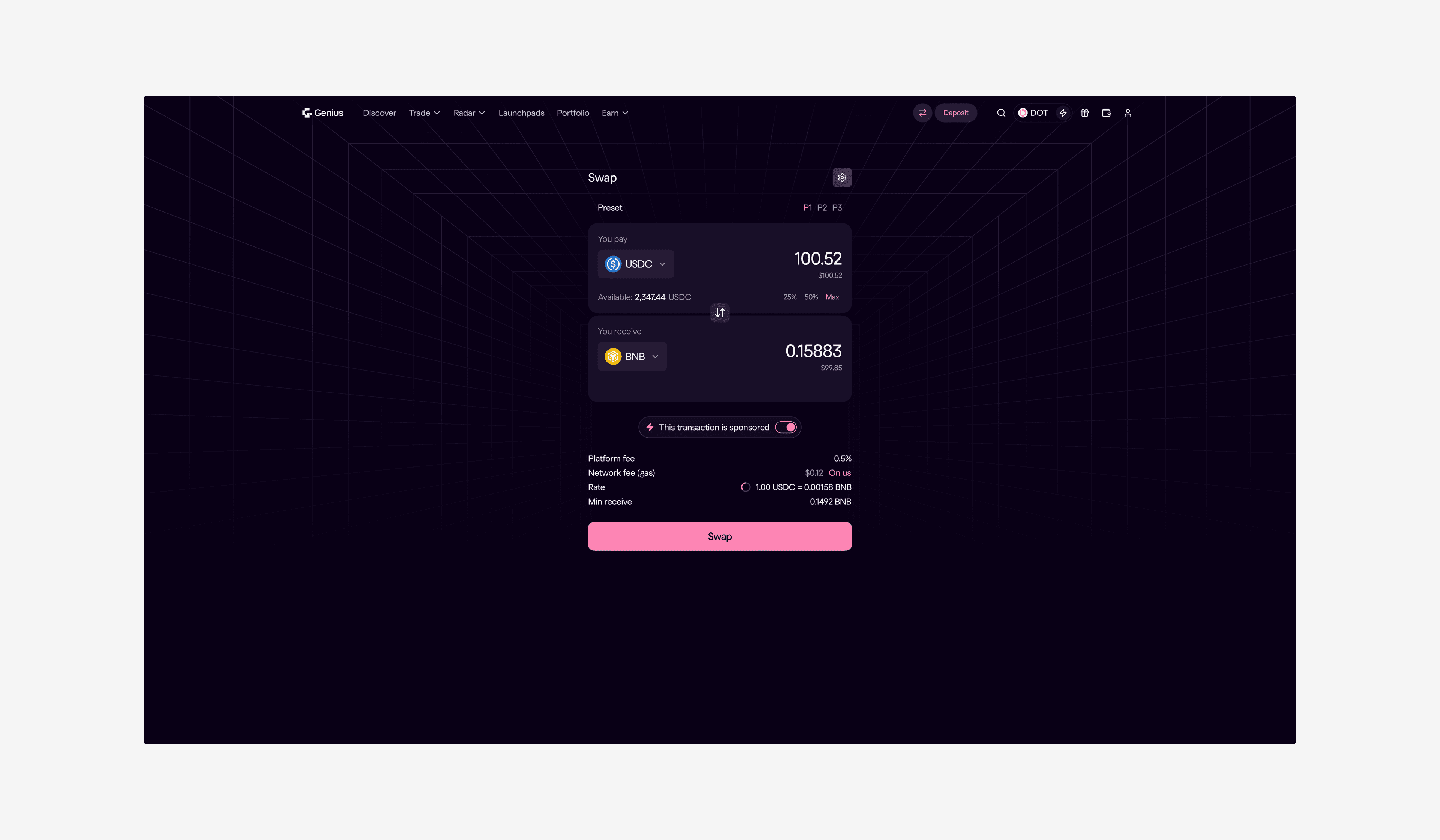
The company couldn't pause for a redesign. We rolled it out area by area, starting where users spend the most time, while three features shipped in the same window. A trading flow cut from 6 steps to 3. A rewards layer where I owned the mechanics and anti-abuse rules, not just screens. Copy trading, where interviews and competitor teardowns showed which trust signals matter before someone copies a stranger.
Own the product work around the screens
I ran prioritization with the founders, wrote the PRDs for all three features, set up analytics events and reviewed results after every release. Marketing, landing pages and store assets came from the same hand, so product and brand speak one visual language.
Outcome
In 8 months the company went from no design function to a working one. A live system, a process built into development, a redesigned platform and three features in production.
Principles that work without me
Density over decoration, because traders read numbers. Every state designed. One way to do one thing. Ship, measure, adjust. These now come up in engineering and founder discussions on days I'm not in the room.